
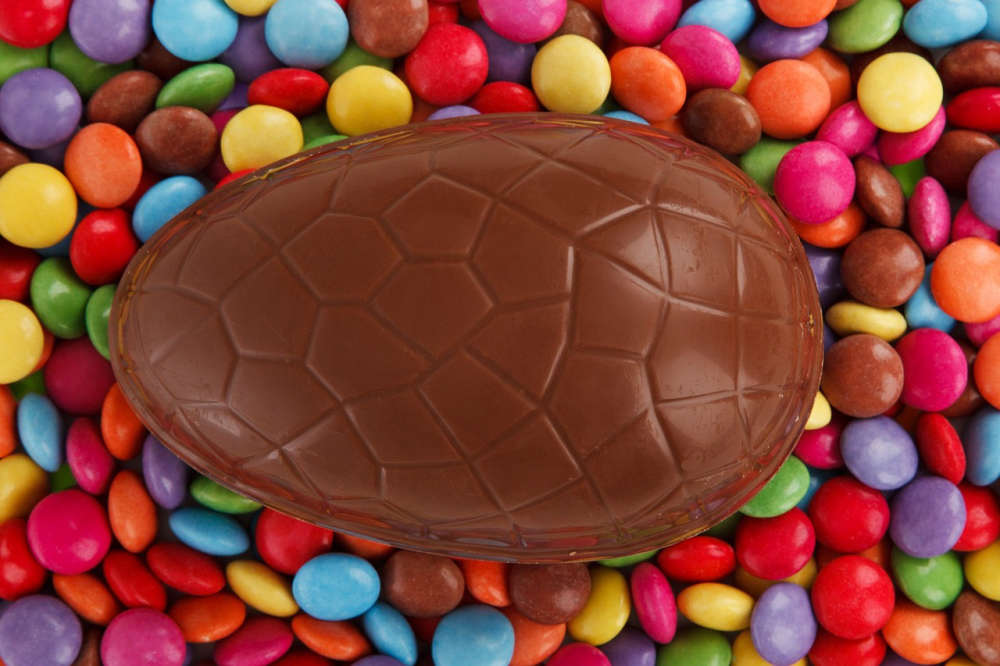
As Easter approaches, shoppers will be heading out to buy Easter eggs for family and friends. But recent media reports have raised concerns about a growing trend that could leave consumers feeling disappointed once they unwrap their chocolate treats.
It appears that while the size of the packaging for Easter eggs remains the same, or is even increasing, the amount of chocolate inside is shrinking.
This shift in product sizing is not just a minor inconvenience – it could be seen as misleading marketing.
Traditionally, consumers make their Easter egg choices based on the size of the box, assuming it correlates to the amount of chocolate inside. However, many people are unaware that the total weight listed on the packaging often includes not only the chocolate, but also the non-chocolate elements like plastic or decorative fillers. As a result, the weight of the actual chocolate can be far less than expected.
This trend is not isolated to just one or two brands – several major chocolate manufacturers have been under scrutiny for reducing the chocolate content while maintaining or even increasing the box size, leading to complaints from consumers. The practice is especially frustrating for parents and gift-givers, who want to ensure they’re getting value for money when purchasing eggs for children or loved ones. What makes this issue more troubling is that many consumers may not notice the reduction in chocolate quantity at first glance.
Packaging is designed to catch the eye, often with bright colours and appealing imagery, making the egg seem larger than it actually is. The total weight listed on the box may not be an accurate reflection of the actual chocolate content, and, as a result, consumers might make purchasing decisions based on misleading assumptions.
In recent years, consumer watchdogs have called for more transparency in packaging. The suggestion is that manufacturers should clearly display the net weight of chocolate, excluding non-edible components, to allow consumers to make more informed choices. This change could help shoppers avoid purchasing eggs that appear large but contain less chocolate than expected, ultimately leading to a fairer and more transparent market.
The Jersey Consumer Council encourages shoppers to pay close attention to product labels this Easter. Instead of focusing solely on the overall box size, be sure to check the weight of the chocolate itself. While Easter eggs are a much-loved part of the Easer season, consumers deserve honesty and clarity when selecting the best chocolate treats to give as gifts. If you are unsure about whether you are getting good value for money or not, compare the cost of the total chocolate with a traditional chocolate bar – sometimes you will find that a bar will give you far more chocolate for your money.
To help you decide where you might like to get your Easter treats this year, our volunteers have been looking at the prices in our main supermarkets.
As you will see from our Easter prices, costs can vary quite a bit between the stores, so don’t always go for the first option you see – and remember to check the weight carefully.
Check out the latest Easter prices here.
On Prices.je you can also see the latest fuel and heating oil prices, as well as the prices of 200 grocery products.
 Know your rights when your ferry is cancelled
 Price survey: Where can you buy the cheapest 99 ice cream in Jersey?
 Have you ever been overcharged at the supermarket?
 Calls for stronger action on 'subscription traps' welcomed
 Come and talk to us in St John about your consumer issues