
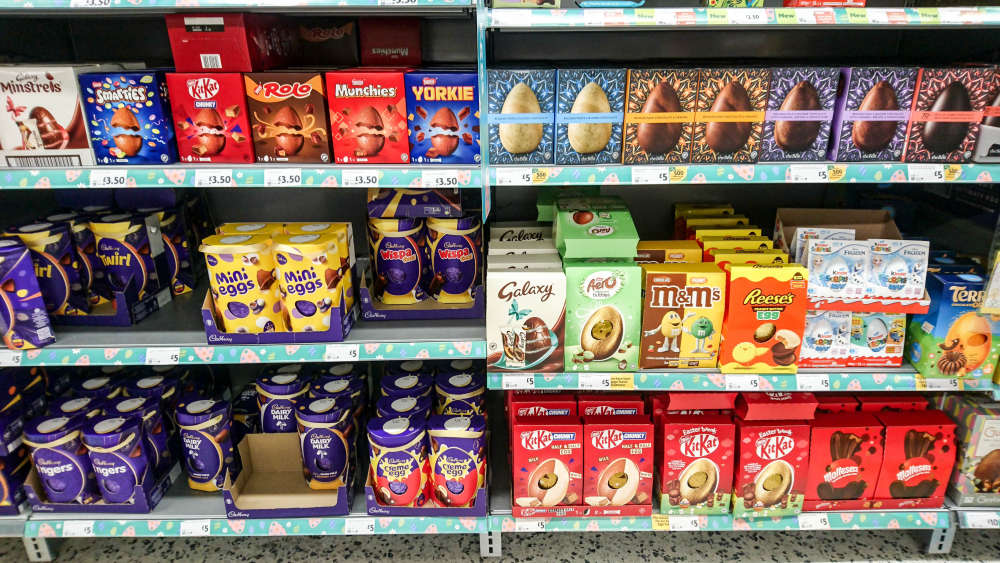
Easter should be a time of celebration, not a season of confusion at the supermarket till. But recent data shows that Easter eggs in the UK are increasingly getting more expensive in price, while often getting smaller in size, and involving more packaging than many consumers think is necessary. With Easter taking place this weekend, we looked at what’s going on...
The cost of Easter eggs: more for less?
Easter should be a time of celebration, not a season of confusion at the supermarket till.
But recent data shows that Easter eggs in the UK are increasingly getting more expensive in price, while often getting smaller in size, and involving more packaging than many consumers think is necessary.
Ahead of Easter weekend, we looked at what’s going on...
What’s happening to prices?
 In the UK, the prices of chocolate – particularly seasonal products like Easter eggs – have risen faster than the wider food basket.
According to consumer group Which?, the price of chocolate rose by around 16.5% in a year, while overall supermarket food and drink climbed by only about 4.4%.
Some Easter eggs now cost over 50% more per 100 g than the exact same product did a year earlier, once you take account of changes in weight as well as price.
Shrinkflation: Smaller eggs, bigger price tags
A key issue that many shoppers are noticing in recent years is shrinkflation – where products contain less chocolate but are sold at the same (or higher) prices.
And it isn’t just about weight – consumers have noted that some products now look noticeably flatter or differently shaped than in the past, adding to the sense that shoppers are getting less ‘value for money’ for what is often a tradition-driven purchase.
Recent UK Easter shrinkflation examples include:
- A pouch of Terry’s Chocolate Orange mini eggs declined from 80g to 70g, but increased in price, making it around 56% more expensive per 100g than last year.
- A report from consumer group Which? found that a Maltesers Truffles Luxury Easter Egg (286 g) increased in price from about £8 to around £13 at Waitrose in the UK, compared with the previous Easter – an increase of 62.5 %. This large price rise is a classic example of eggflation, where although the size of the egg remained the same, the price did not.
- Which? also identified multiple examples where well‑known branded eggs shrank in weight but stayed the same price (or still went up) – meaning you pay more per 100 g than before. For example, a Mars milk chocolate large Easter egg went from 252g to 201g, while prices stayed similar to the previous year.
What about packaging and waste?
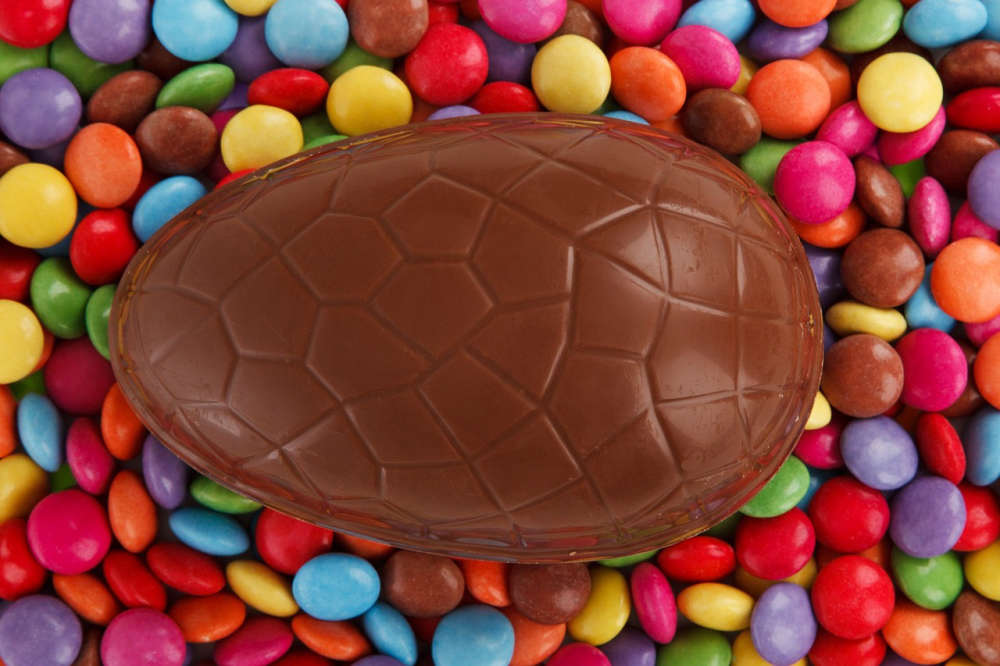
While prices and portion sizes change, so does the problem of Easter egg packaging waste. If you visit Europe at Easter, chocolate eggs are often simply wrapped in cellophane, with no box. Yes in the UK, Easter eggs all come in cardboard boxes, with an inner plastic packaging.
 Recent UK research suggests:
- 65% of adults feel Easter eggs are excessively packaged.
- Around 123 million eggs are expected to be consumed across Britain each Easter, generating an estimated 8,000 tonnes of packaging waste yearly.
- Although close to 90% of cardboard boxes are recycled, many shoppers throw away foil or plastic components, either because they don’t realise these can be recycled or because of confusion about recycling rules.
This means that, on top of paying more and getting less chocolate, many consumers are also contributing to unnecessary waste unless they pay careful attention to how they recycle.
Get better value this Easter
As prices rise and packaging habits vary, here’s how you can make smarter choices at the shops this week:
Check the unit price
Always compare the price per 100g rather than just the ‘headline’ price – this lets you spot shrinkflation and find the best deal across brands.
Ignore marketing and packaging flair
Big, elaborate boxes or ‘premium’ trays often add cost without adding chocolate. Look past the outer wrapping to the unit price and weight.
Consider alternatives
If chocolate prices seem too high or sizes too small, consider locally made products, smaller independent chocolatiers, alternative gifts (such as a plant or toiletries), or even homemade treats. In recent years, many consumers have turned to alternative gifts instead of Easter eggs.
 An update on credit cards
 Bringing consumer advice to your parish
 Autumn money check-up: Ten things to review before winter
 Water bills to rise again in 2027 as desalination upgrade gets under way
 Death of Council Member Pat Le Masurier
 Are you paying for subscriptions you don't use?